Understanding GLP-1s: how they work, what's approved, and what to know
What GLP-1 actually stands for
GLP-1 stands for glucagon-like peptide-1 — a hormone your intestines release naturally after you eat. It's part of your body's own system for managing blood sugar and appetite. GLP-1 medications ("GLP-1 receptor agonists") are synthetic versions engineered to do the same job, but for longer — natural GLP-1 breaks down in minutes; the medication versions are modified to last up to a week per dose.
How GLP-1 medications work in the body
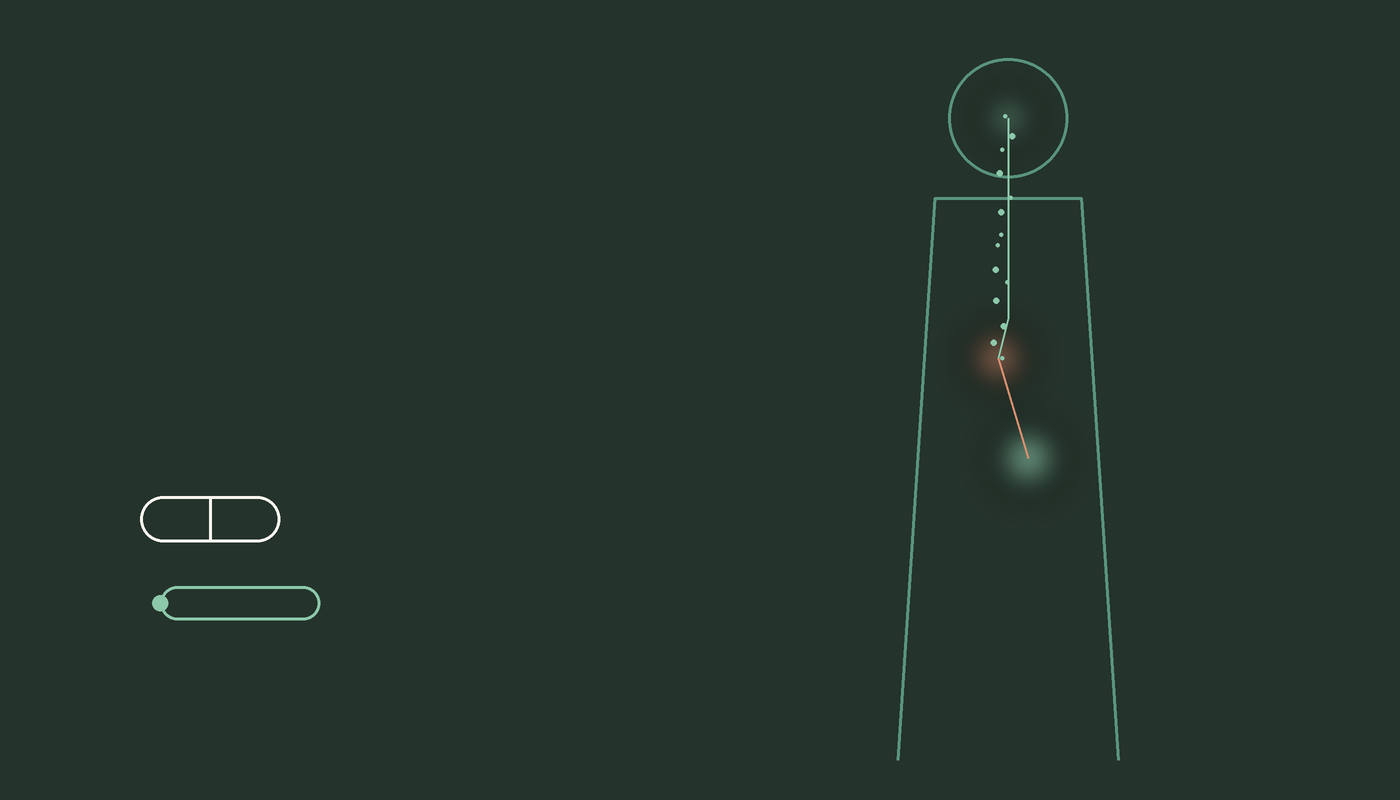
Once injected (or, for one option, swallowed), the medication attaches to GLP-1 receptors in three main places:
What's actually FDA-approved right now
Several brand names exist because the same active ingredient is often approved separately for diabetes and for weight management, under two different names, by the same manufacturer:
| Active ingredient | Diabetes brand | Weight-management brand |
|---|---|---|
| Semaglutide | Ozempic | Wegovy (also: Rybelsus, the only oral option) |
| Tirzepatide | Mounjaro | Zepbound |
| Liraglutide | Victoza | Saxenda |
| Dulaglutide | Trulicity | — (diabetes only) |
Tirzepatide (Mounjaro/Zepbound) is technically a dual GIP/GLP-1 receptor agonist — it activates a second hormone pathway (GIP) alongside GLP-1, which is part of why trials have shown it producing somewhat greater average weight loss than semaglutide alone.
Common side effects
The most frequently reported side effects — nausea, constipation, diarrhea, and reflux — trace back to the same mechanism that slows digestion. They tend to show up most after starting the medication or increasing the dose, and often ease as the body adjusts. This is also why what and how much you eat matters more on a GLP-1 than it did before — see our guide on GLP-1 and your cycle for how this connects to hormonal symptoms specifically.
Ozempic vs. Wegovy — the real difference
Same drug, same manufacturer, different FDA-approved use. Ozempic is approved for type 2 diabetes, capped at 2 mg weekly. Wegovy is approved specifically for chronic weight management, capped at a higher 2.4 mg weekly. Many prescribers use Ozempic off-label for weight loss because insurance is more likely to cover a diabetes diagnosis than a weight-management one — that's an insurance and labeling difference, not a difference in what the medication does in your body.
Mounjaro vs. Zepbound — the same pattern
Mounjaro and Zepbound both contain tirzepatide from the same manufacturer. Mounjaro is approved for type 2 diabetes; Zepbound is approved for weight management. As with semaglutide, this is a labeling and insurance distinction, not a different medication.
Track how your body actually responds
Sicavie logs your doses, side effects, and cycle on one timeline — so patterns become visible instead of guessed at.
Try it free for 7 daysThis page is general information, not medical advice, and isn't a substitute for care from your doctor or pharmacist. Only your prescriber can tell you which medication, dose, and plan is right for you. If you're experiencing severe side effects, contact your healthcare provider rather than relying on this or any other general guide.